Save with Free Roofing Estimates Today
7 Warning Signs Your Home Needs New Siding Before Winter Hits
Seasonal Inspections
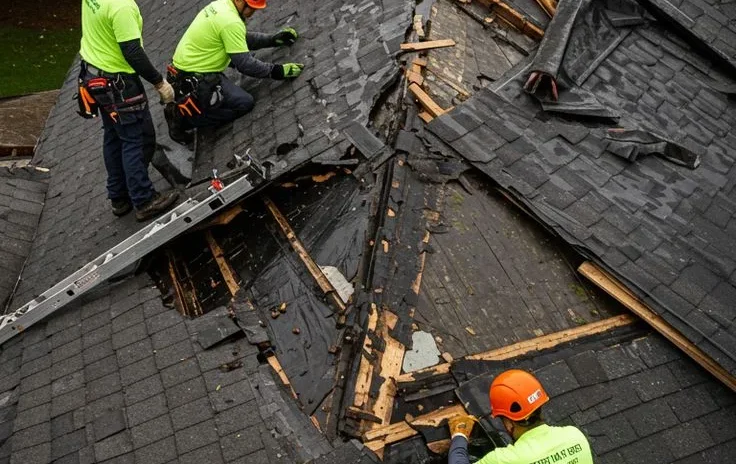
Identify Critical Siding Damage Before Winter Arrives
Catch Exterior Problems Early to Avoid Costly Repairs
Why Kansas Homeowners Must Inspect Exterior Walls Before Cold Weather
Winter in the Abilene area brings temperature swings that test every aspect of your home’s exterior envelope. When freezing nights follow warm afternoons, moisture trapped behind compromised siding expands and contracts, accelerating deterioration that may have been manageable in spring. By the time snow and ice arrive, even minor siding vulnerabilities transform into structural threats that allow wind-driven moisture to penetrate wall cavities, damaging insulation, framing, and interior finishes.
Most homeowners schedule siding inspections in spring, after winter damage has already occurred. This reactive approach costs significantly more than addressing warning signs during the relatively mild conditions of late summer and early fall. A small crack discovered in August requires simple repair, while the same crack ignored until January may necessitate replacing entire wall sections once freeze-thaw cycles have widened the opening and moisture has rotted the underlying sheathing.
The Kansas climate creates specific challenges for exterior cladding systems. Sudden temperature drops characteristic of Great Plains weather patterns cause rapid contraction in vinyl and fiber-cement materials, stressing fasteners and seams. Hail events, common throughout spring and summer, leave impact damage that remains hidden until winter moisture finds these weak points. Wind gusts exceeding fifty miles per hour during winter storms exploit loose panels, creating entry points for precipitation that would otherwise run harmlessly down intact surfaces.
Recognizing the seven most common indicators of siding failure before winter arrives protects your largest investment and prevents emergency repairs during the coldest months. These warning signs range from obvious visual damage to subtle changes in energy consumption, and each signals a specific vulnerability that worsens rapidly once freezing temperatures arrive. Understanding what to look for, where problems typically develop, and when professional intervention becomes necessary allows you to make informed decisions about repair timing and budget allocation before weather conditions deteriorate.
Identifying Surface Damage That Signals Deeper Problems
Cracks in siding material represent the most straightforward warning sign, yet many homeowners dismiss hairline fractures as cosmetic issues. Any crack that penetrates the full thickness of a siding panel creates a direct pathway for moisture infiltration, regardless of size. Water enters these openings during rain events, then freezes when temperatures drop overnight. Ice formation expands the crack width by five to ten percent with each freeze-thaw cycle, transforming a minor fissure into a gaping hole within a single winter season.
Separation at panel seams and corners indicates fastener failure or thermal movement beyond design tolerances. Properly installed siding allows for seasonal expansion and contraction through controlled spacing at joints. When panels pull away from trim boards or create visible gaps between horizontal courses, the cladding system has lost its weather-tight integrity. These separations typically occur first on south and west exposures, where solar heating creates maximum thermal stress during afternoon hours, followed by rapid cooling after sunset.
Impact damage from hail, windborne debris, or equipment creates localized weak points that behave differently than surrounding material. A dent in vinyl siding may appear superficial, but the impact often compromises the material’s structural matrix, making that section brittle and prone to cracking under thermal stress. Fiber-cement panels subjected to impact may develop internal fractures invisible from the exterior, only revealing themselves when moisture penetration causes delamination during winter freeze cycles.
Walking your home’s perimeter during late afternoon provides optimal lighting conditions for spotting cracks and separations. Shadows cast by low-angle sunlight highlight surface irregularities invisible during midday inspection. Focus particular attention on areas below roof eaves where ice dams form, around window and door penetrations where caulking may have failed, and on wall sections facing prevailing winter winds. Any crack wider than a credit card edge, separation exceeding one-quarter inch, or impact damage affecting an area larger than a softball warrants immediate professional evaluation before winter weather arrives.
Detecting Water Damage Before It Compromises Wall Systems
Exterior siding failure often announces itself through interior symptoms before exterior damage becomes obvious. Water stains on interior walls, particularly near corners and beneath windows, indicate that moisture has penetrated the cladding system and saturated wall cavities. By the time staining appears on drywall or plaster, significant structural damage has typically occurred to sheathing, insulation, and framing members. These conditions worsen exponentially once freezing temperatures lock moisture inside wall assemblies, preventing natural drying cycles that might otherwise limit deterioration.
Peeling paint on interior walls near exterior corners signals chronic moisture problems originating from failed siding. As water vapor migrates through wall assemblies from outside to inside, it condenses on the back surface of interior finishes, breaking the bond between paint and substrate. This condition appears first in rooms with poor ventilation and during periods of high humidity, but persistent peeling in specific locations points directly to exterior envelope failures requiring immediate attention from qualified siding contractors.
Unexplained increases in heating costs during early winter months often trace to compromised exterior cladding. When siding systems develop gaps, cracks, or loose sections, cold air infiltrates wall cavities and bypasses insulation. A home that required seventy-five dollars in natural gas to maintain comfort last November but now consumes one hundred dollars for the same temperature setting has likely developed significant air leakage through deteriorated siding. This thermal inefficiency compounds throughout winter, costing hundreds of dollars in wasted energy while subjecting wall framing to condensation cycles that promote rot and mold growth.
Musty odors in specific rooms, particularly basements and second-floor bedrooms, frequently indicate moisture accumulation behind walls. These smells intensify during humid weather when microbial growth accelerates, then diminish during dry periods, creating an intermittent problem homeowners often attribute to seasonal allergies rather than structural deficiencies. Professional moisture assessment using thermal imaging and moisture meters can pinpoint hidden water intrusion before it necessitates extensive remediation, but only if conducted before winter freeze prevents accurate diagnosis of ongoing leakage patterns.
Recognizing Age-Related Failure Patterns in Exterior Cladding
Warped or buckled siding panels indicate moisture has penetrated behind the cladding and saturated underlying materials. As wood sheathing absorbs water, it swells and pushes outward against siding panels, creating visible waves or bulges in the exterior surface. Vinyl siding responds to this pressure by pulling away from fasteners, while fiber-cement panels may develop stress cracks along their edges. These deformations prevent proper water shedding, causing precipitation to pool against the surface rather than running off, which accelerates deterioration of both the cladding and the structure it protects.
Fading and discoloration patterns reveal ultraviolet degradation that compromises material integrity. While all siding weathers over time, uneven fading, chalky residue on vinyl surfaces, or color variation between protected and exposed areas signals advanced deterioration. UV-damaged siding becomes brittle, losing the flexibility necessary to accommodate thermal movement without cracking. South and west-facing walls in the Abilene region receive intense afternoon solar exposure throughout summer, weakening material that must then withstand winter temperature extremes without the structural resilience it possessed when new.
Loose or missing panels create obvious vulnerabilities, yet many homeowners delay repairs, assuming a few absent sections pose minimal risk. A single missing panel exposes felt paper or house wrap to direct weather, materials designed as secondary barriers rather than primary protection. Winter wind driven rain and snow easily penetrate these underlayments, saturating insulation and framing. In the Kansas climate, where winter storms combine high winds with precipitation, exposed wall sections suffer months of moisture intrusion that often requires replacement of sheathing and framing before new siding installation becomes possible.
Rotted sections, particularly along bottom courses near foundation level and around penetrations, indicate long-term moisture exposure that has destroyed material cellular structure. Wood-based products show obvious decay, but modern engineered materials also fail when chronic water contact breaks down binders and coatings. Probing suspect areas with a screwdriver reveals softened material that offers no resistance, confirming deterioration beyond repair. These conditions spread rapidly once winter moisture and freeze-thaw cycles accelerate biological and chemical breakdown processes, making fall inspection and remediation critical for containing damage to manageable areas.
Professional Assessment and Timely Repairs Protect Your Investment
Identifying warning signs represents only the first step toward protecting your home from winter damage. Once you have documented concerns through careful exterior and interior inspection, professional evaluation determines the extent of deterioration and establishes repair priorities. Qualified professionals bring diagnostic tools, material knowledge, and installation experience that distinguish between surface issues requiring simple fixes and systemic failures demanding complete replacement. This assessment should occur during September or early October, when weather conditions favor both accurate diagnosis and timely completion of necessary work before temperature drops prevent proper installation.
The window for exterior work in Kansas narrows significantly as November approaches. Most siding repair services require ambient temperatures above forty degrees for proper material handling and adhesive curing. Vinyl becomes brittle and prone to cracking when installed in cold conditions, while caulks and sealants fail to bond adequately to cold surfaces. Scheduling repairs during late summer or early fall ensures optimal installation conditions and allows adequate time for material procurement if supply chain delays occur. Waiting until damage becomes obvious during winter storms forces emergency repairs under suboptimal conditions at premium pricing.
Comprehensive exterior assessment should include roofing, gutters, and trim in addition to siding evaluation. These systems work together to manage water and protect the building envelope, and failure in one component often accelerates deterioration in others. Clogged gutters overflow onto siding, saturating wall cavities. Damaged roof edges allow ice dams to form, directing meltwater behind upper siding courses. Failed caulking around windows and doors permits water intrusion regardless of siding condition. Professional exterior contractors examine these interconnected systems as a unified whole rather than isolated components, identifying vulnerabilities that DIY inspection typically misses.
Investment in pre-winter repairs delivers returns through multiple mechanisms. Immediate benefits include prevented water damage, maintained structural integrity, and preserved interior finishes. Long-term advantages encompass extended service life for correctly maintained materials, sustained property values, and avoided emergency repair costs. Energy savings from restored thermal envelope integrity often offset repair costs within three to five heating seasons. Perhaps most importantly, proactive maintenance provides confidence that your home will withstand winter weather without crisis intervention, allowing you to focus on family and work rather than monitoring weather forecasts with anxiety.
Property owners throughout the Abilene region face similar seasonal challenges, and local contractors familiar with Kansas climate patterns provide insights that national chains and out-of-area services cannot match. Understanding how Great Plains weather affects specific siding materials, knowing which local suppliers stock appropriate products for regional conditions, and maintaining schedules that accommodate agricultural community needs distinguishes contractors who serve this area year-round from those seeking quick projects. If your inspection has revealed any of the seven warning signs discussed, scheduling a professional evaluation now protects your investment and ensures your home enters winter with robust defenses against the season’s harshest conditions. Contact qualified exterior remodeling contractors to arrange an assessment and receive detailed recommendations tailored to your property’s specific conditions and your budget parameters.
FREQUENTLY ASK QUESTIONS
-
Yes, we are fully licensed and insured to perform all exterior cladding work throughout the Abilene area and surrounding Kansas communities. We carry both general liability and workers’ compensation insurance, which protects your property and our crew during every phase of your project. Before we begin any assessment or installation, we provide documentation of our credentials, bonding, and insurance coverage so you have complete confidence in our qualifications. Our team stays current with Kansas building codes and manufacturer certifications to ensure every installation meets or exceeds industry standards for durability and weather resistance.
-
Most residential siding replacement projects take between five and ten days to complete, depending on your home’s size, the extent of underlying damage, and weather conditions. We begin with a thorough inspection and material ordering, then schedule installation during a weather window that allows proper adhesive curing and material handling. Our crews work efficiently to minimize disruption to your daily routine, and we coordinate each phase so you’re never left with exposed walls overnight. If you’re concerned about timing before winter weather arrives, we prioritize pre-season projects and can often accommodate expedited schedules for homes with urgent damage.
-
Siding replacement costs vary based on your home’s square footage, the material you select, and the condition of underlying sheathing and framing that may require repair. We provide transparent, itemized estimates after conducting a free on-site inspection, so you understand exactly what work is necessary and what drives the investment. Many homeowners are surprised to learn that addressing siding damage proactively costs significantly less than emergency winter repairs, which often involve interior remediation and premium cold-weather installation rates. We offer flexible payment options and can work with your insurance company if storm damage is involved, and we never pressure you into upgrades or services you don’t need.
-
The answer depends on the extent and location of the damage, the age of your existing cladding, and how well isolated repairs will blend with surrounding material. We recommend repair when damage is localized to a small area, your current material is readily available for matching, and the rest of your system shows no signs of widespread deterioration. However, if you’re seeing multiple warning signs across different wall sections, if your siding is approaching the end of its expected service life, or if underlying moisture damage has compromised structural components, replacement delivers better long-term value and protection. During our free inspection, we assess your entire exterior envelope and provide honest guidance on whether targeted fixes will solve your problem or whether you’re better served by a full replacement that eliminates recurring issues and gives you decades of maintenance-free performance.
-
Coverage depends on the cause of the damage and the specific terms of your policy, but most Kansas homeowners insurance policies cover sudden, storm-related damage such as hail impact, wind-blown debris, or tornado damage. Gradual deterioration from age, lack of maintenance, or wear and tear typically falls outside coverage, which is why addressing warning signs before they become catastrophic failures is so important. We work directly with insurance adjusters, provide detailed documentation of storm damage, and help you navigate the claims process to maximize your covered benefits. Our team photographs all damage, prepares scope-of-loss reports that match insurance requirements, and coordinates timelines so your claim is processed efficiently and your home is protected before winter weather compounds the problem.