Save with Free Roofing Estimates Today
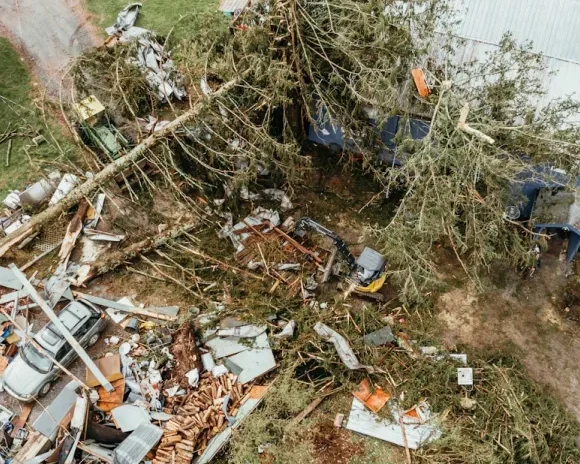
Start with a Safe Ground-Level Assessment
Before climbing onto your roof, conduct a thorough visual inspection from ground level. Walk the perimeter of your property and examine the roof from all four sides using binoculars if available. Look for obvious signs of damage such as missing or displaced shingles, dented metal flashing, or sections where the roofline appears uneven or sagging.
In Abilene and surrounding areas like Manhattan and Junction City, spring and early summer storms often bring hail and high winds that can strip granules from asphalt shingles or tear entire sections loose. Pay particular attention to roof valleys and areas around chimneys, vents, and skylights, where wind damage typically concentrates. Check your gutters and downspouts for an unusual accumulation of shingle granules, a clear indicator that your roof’s protective layer has been compromised.
Also inspect the ground around your home for debris such as shingle pieces, flashing strips, or roofing nails. These materials on the ground often signal damage above. If you notice any of these warning signs during your ground-level assessment, it is time to call professional roof inspection services for a detailed evaluation before water infiltration causes interior damage.
Check Your Attic for Interior Water Damage
After your exterior ground assessment, move inside to your attic or uppermost ceiling space. This interior inspection often reveals damage that is not visible from outside. Use a flashlight to examine the underside of the roof decking, looking for water stains, wet insulation, or daylight penetrating through the roof structure. Fresh water marks or damp spots indicate active leaks that require immediate attention.
Kansas weather patterns create unique challenges for roofing systems. The region’s temperature swings between hot summers and cold winters cause roofing materials to expand and contract, making even small storm damage worse over time. During your attic inspection, check for sagging areas in the roof decking, which can indicate structural compromise from water accumulation or wind uplift during severe weather.
Run your hand along rafters and beams to feel for moisture, even if no visible water is present. Examine insulation carefully, as wet or compressed insulation loses its effectiveness and can harbor mold growth. If you find evidence of water intrusion or structural concerns, document the locations carefully and contact storm damage roofers who understand how Kansas weather impacts roofing systems. Many homeowners in the Junction City and Chapman areas discover that what appears to be minor exterior damage has caused significant interior problems that require professional roof repair services.
Examine Gutters, Flashing, and Exterior Components
Once you have completed ground and interior assessments, examine the specific components that protect your roof system. Start with your gutters and downspouts, which often sustain damage during storms and can cause secondary problems if compromised. Look for sections that are bent, separated from the fascia, or clogged with debris. Damaged gutters allow water to pool near your foundation or cascade down exterior walls, leading to siding damage and structural issues.
Next, inspect flashing around chimneys, vent pipes, skylights, and where different roof planes meet. Flashing creates a watertight seal at these vulnerable transitions, and even small gaps or bends can allow significant water intrusion. In areas like Herington and Clay Center, homes often feature multiple roof planes and dormer windows, creating numerous flashing points that require careful inspection after severe weather events.
Check soffit and fascia boards for signs of impact damage, water staining, or separation from the roofline. These components protect the roof edge and attic space from weather and pests. Examine your siding for cracks, dents, or displaced panels, particularly on the sides of your home that faced the storm’s primary wind direction. Storm systems in Kansas often produce straight-line winds exceeding 60 miles per hour, which can damage siding and create entry points for moisture.
If you notice compromised flashing, damaged gutters requiring gutter repair services, or siding issues, these should be addressed promptly. Water that bypasses your roof’s protective barriers can cause damage far exceeding the cost of timely repairs. Professional residential roofers can assess whether component repairs will suffice or if more extensive work is necessary.
Assess from the Ground First
Thorough documentation is essential for insurance claims and repair planning. Take clear, well-lit photographs of every area you have identified as potentially damaged, as well as photos showing the overall condition of undamaged sections for comparison. Capture close-up images that clearly show specific damage, and wider shots that establish the location and context of each problem area.
For insurance purposes, photograph damage from multiple angles and distances. Include reference points such as nearby landmarks, roof features, or measurement tools to establish scale. Date-stamp your photos if your camera or smartphone offers this feature, or keep a written log noting when each image was taken. Many insurance providers serving the Abilene region require documented evidence before approving storm damage claims, and quality photographic records significantly strengthen your case.
Video documentation can be particularly valuable, allowing you to narrate your findings while showing the damage in context. Walk around your property while recording, explaining what you observe and pointing out specific concerns. This creates a comprehensive record that insurance adjusters and roofing contractors can review to understand the full scope of damage.
Once your documentation is complete, organize your photos and notes by location and damage type. If you plan to file an insurance claim, contact your provider promptly and ask about their specific documentation requirements. Many homeowners benefit from professional assessment even before filing, as experienced commercial roofers and residential specialists can identify damage that untrained eyes might miss. Professional inspectors provide detailed reports that support insurance claim assistance for roofs, helping ensure you receive appropriate coverage for necessary repairs. Taking these documentation steps seriously protects your investment and facilitates smoother repair processes when professional intervention becomes necessary.
Check Your Attic and Interior Spaces
Before climbing onto your roof, conduct a thorough ground-level inspection. Use binoculars to examine the roof surface from multiple angles around your property. Look for missing or displaced shingles, dents in metal components, and debris accumulation in valleys or gutters. Check your yard for granules from asphalt shingles, which indicate significant wear or impact damage.
Walk the perimeter of your home and inspect the soffits, fascia, and eaves for water stains or structural damage. Examine your gutters and downspouts for dents, detachment, or clogs caused by storm debris. Document any visible damage with photographs that include close-ups and wide shots showing the damaged area in relation to the rest of the structure.
If you notice sagging sections, large holes, or extensive shingle loss, do not attempt to climb onto the roof yourself. These conditions indicate serious structural compromise that requires immediate professional assessment. Contact roofing contractors who specialize in storm damage evaluation to ensure your safety and receive an accurate damage report.